Saint Maximus the Confessor was born in Constantinople around 580 and raised in a pious Christian family. He received an excellent education, studying philosophy, grammar, and rhetoric. He was well-read in the authors of antiquity and he also mastered philosophy and theology. When Saint Maximus entered into government service, he became first secretary (asekretis) and chief counselor to the emperor Heraclius (611-641), who was impressed by his knowledge and virtuous life.
Saint Maximus soon realized that the emperor and many others had been corrupted by the Monothelite heresy, which was spreading rapidly through the East. He resigned from his duties at court, and went to the Chrysopolis monastery (at Skutari on the opposite shore of the Bosphorus), where he received monastic tonsure. Because of his humility and wisdom, he soon won the love of the brethren and was chosen igumen of the monastery after a few years. Even in this position, he remained a simple monk.
In 638, the emperor Heraclius and Patriarch Sergius tried to minimize the importance of differences in belief, and they issued an edict, the “Ekthesis” (“Ekthesis tes pisteos” or “Exposition of Faith),” which decreed that everyone must accept the teaching of one will in the two natures of the Savior. In defending Orthodoxy against the “Ekthesis,” Saint Maximus spoke to people in various occupations and positions, and these conversations were successful. Not only the clergy and the bishops, but also the people and the secular officials felt some sort of invisible attraction to him, as we read in his Life.
When Saint Maximus saw what turmoil this heresy caused in Constantinople and in the East, he decided to leave his monastery and seek refuge in the West, where Monothelitism had been completely rejected. On the way, he visited the bishops of Africa, strengthening them in Orthodoxy, and encouraging them not to be deceived by the cunning arguments of the heretics.
The Fourth Ecumenical Council had condemned the Monophysite heresy, which falsely taught that in the Lord Jesus Christ there was only one nature (the divine). Influenced by this erroneous opinion, the Monothelite heretics said that in Christ there was only one divine will (“thelema”) and only one divine energy (“energia”). Adherents of Monothelitism sought to return by another path to the repudiated Monophysite heresy. Monothelitism found numerous adherents in Armenia, Syria, Egypt. The heresy, fanned also by nationalistic animosities, became a serious threat to Church unity in the East. The struggle of Orthodoxy with heresy was particularly difficult because in the year 630, three of the patriarchal thrones in the Orthodox East were occupied by Monothelites: Constantinople by Sergius, Antioch by Athanasius, and Alexandria by Cyrus.
Saint Maximus traveled from Alexandria to Crete, where he began his preaching activity. He clashed there with a bishop, who adhered to the heretical opinions of Severus and Nestorius. The saint spent six years in Alexandria and the surrounding area.
Patriarch Sergius died at the end of 638, and the emperor Heraclius also died in 641. The imperial throne was eventually occupied by his grandson Constans II (642-668), an open adherent of the Monothelite heresy. The assaults of the heretics against Orthodoxy intensified. Saint Maximus went to Carthage and he preached there for about five years. When the Monothelite Pyrrhus, the successor of Patriarch Sergius, arrived there after fleeing from Constantinople because of court intrigues, he and Saint Maximus spent many hours in debate. As a result, Pyrrhus publicly acknowledged his error, and was permitted to retain the title of “Patriarch.” He even wrote a book confessing the Orthodox Faith. Saint Maximus and Pyrrhus traveled to Rome to visit Pope Theodore, who received Pyrrhus as the Patriarch of Constantinople.
In the year 647 Saint Maximus returned to Africa. There, at a council of bishops Monotheletism was condemned as a heresy. In 648, a new edict was issued, commissioned by Constans and compiled by Patriarch Paul of Constantinople: the “Typos” (“Typos tes pisteos” or “Pattern of the Faith”), which forbade any further disputes about one will or two wills in the Lord Jesus Christ. Saint Maximus then asked Saint Martin the Confessor (April 14), the successor of Pope Theodore, to examine the question of Monothelitism at a Church Council. The Lateran Council was convened in October of 649. One hundred and fifty Western bishops and thirty-seven representatives from the Orthodox East were present, among them Saint Maximus the Confessor. The Council condemned Monothelitism, and the Typos. The false teachings of Patriarchs Sergius, Paul and Pyrrhus of Constantinople, were also anathematized.
When Constans II received the decisions of the Council, he gave orders to arrest both Pope Martin and Saint Maximus. The emperor’s order was fulfilled only in the year 654. Saint Maximus was accused of treason and locked up in prison. In 656 he was sent to Thrace, and was later brought back to a Constantinople prison.
The saint and two of his disciples were subjected to the cruelest torments. Each one’s tongue was cut out, and his right hand was cut off. Then they were exiled to Skemarum in Scythia, enduring many sufferings and difficulties on the journey.
After three years, the Lord revaled to Saint Maximus the time of his death (August 13, 662). Three candles appeared over the grave of Saint Maximus and burned miraculously. This was a sign that Saint Maximus was a beacon of Orthodoxy during his lifetime, and continues to shine forth as an example of virtue for all. Many healings occurred at his tomb.
Saint Maximus has left to the Church a great theological legacy. His exegetical works contain explanations of difficult passages of Holy Scripture, and include a Commentary on the Lord’s Prayer and on Psalm 59, various “scholia” or “marginalia” (commentaries written in the margin of manuscripts), on treatises of the Hieromartyr Dionysius the Areopagite and Saint Gregory the Theologian. Among the exegetical works of Saint Maximus are his explanation of divine services, entitled “Mystagogia” (“Introduction Concerning the Mystery”).
The dogmatic works of Saint Maximus include the Exposition of his dispute with Pyrrhus, and several tracts and letters to various people. In them are contained explanations of the Orthodox teaching on the Divine Essence and the Persons of the Holy Trinity, on the Incarnation of the Word of God, and on “theosis” (“deification”) of human nature.
“Nothing in theosis is the product of human nature,” Saint Maximus writes in a letter to his friend Thalassius, “for nature cannot comprehend God. It is only the mercy of God that has the capacity to endow theosis unto the existing... In theosis man (the image of God) becomes likened to God, he rejoices in all the plenitude that does not belong to him by nature, because the grace of the Spirit triumphs within him, and because God acts in him” (Letter 22).
Saint Maximus also wrote anthropological works (i.e. concerning man). He deliberates on the nature of the soul and its conscious existence after death. Among his moral compositions, especially important is his “Chapters on Love.” Saint Maximus the Confessor also wrote three hymns in the finest traditions of church hymnography, following the example of Saint Gregory the Theologian.
The theology of Saint Maximus the Confessor, based on the spiritual experience of the knowledge of the great Desert Fathers, and utilizing the skilled art of dialectics worked out by pre-Christian philosophy, was continued and developed in the works of the saints that followed him.
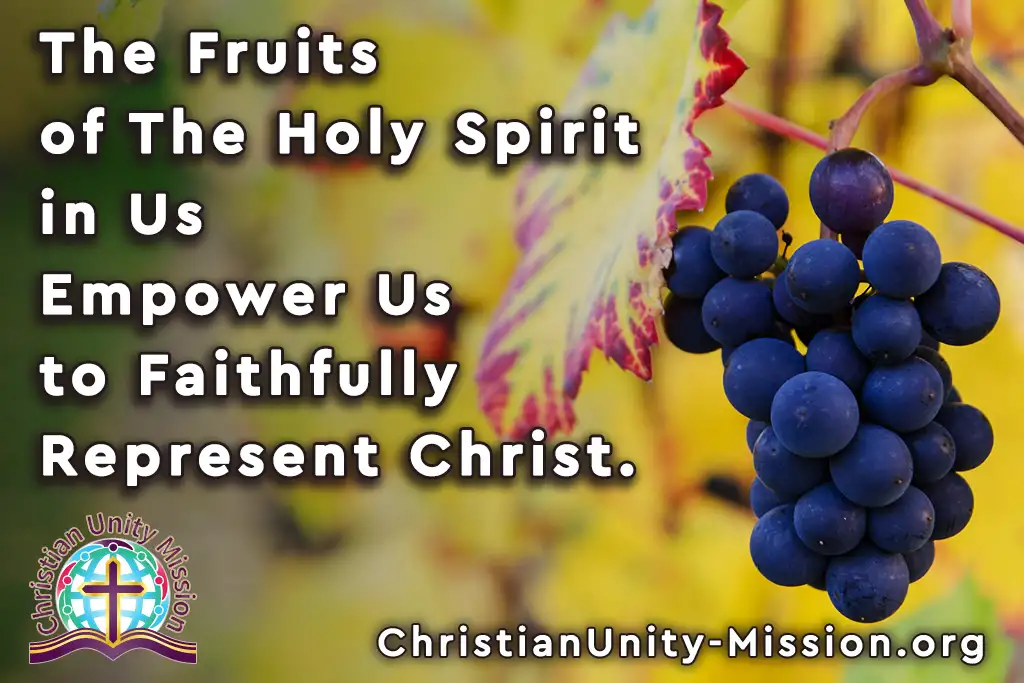
“But when her masters saw that their hope of profit was gone, they seized Paul and Silas and dragged them into the marketplace to the authorities…. Then the multitude rose up together against them; and the magistrates tore off their clothes and commanded them to be beaten with rods. And when they had laid many stripes on them, they threw them into prison, commanding the jailer to keep them securely. Having received such a charge, he put them into the inner prison and fastened their feet in the stocks. But at midnight Paul and Silas were praying and singing hymns to God, and the prisoners were listening to them. Suddenly there was a great earthquake, so that the foundations of the prison were shaken; and immediately all the doors were opened and everyone’s chains were loosed. And the keeper of the prison, awaking from sleep and seeing the prison doors open, supposing the prisoners had fled, drew his sword and was about to kill himself. But Paul called with a loud voice, saying, “Do yourself no harm, for we are all here.” Then he called for a light, ran in, and fell down trembling before Paul and Silas. And he brought them out and said, “Sirs, what must I do to be saved?” ( Acts 16:19- 29).
Real spiritual fruit in us can’t be imitated or faked; it is so different from our human virtues it can only be of Christ. We can see St. Paul and Silas after they had been unjustly imprisoned, beaten and left to die in a filthy jail cell, they were filled with the Spirit and sang praises in the midnight hour. In response, God loosed their shackles and threw open the cell doors with a thundering earthquake. But instead of fleeing into the night, Paul and Silas represented Christ’s compassion and love toward the trembling prison guard who suddenly had a come to Jesus at the moment. That kind of selfless and uncreated love, is a true representation of Jesus Christ.
GOD’S PROMISE FOR US, IS TO OVERCOME THE WORLD.
“But thanks be to God, who gives us the victory through our Lord Jesus Christ. Therefore, my beloved brethren, be steadfast, immovable, always abounding in the work of the Lord, knowing that your labor is not in vain in the Lord.” (1Corinthians 15:14-15).
In a world that often feels harsh, chaotic, and full of struggle, it doesn’t take long before we find ourselves battling the feelings of overwhelm, rush, or anxiety. Many of us, in fact, have grown so accustomed to these patterns, we even start to live there, in the midst of the never-ending hurry and worry mode. It is the enemy’s trap and that is where he wants us to be. Satan is a thief and a liar. He’s an expert at finding the best ways to try to steal our energy or waste our time. But Christ did overcome the devil on the cross and he gave us His victory in the Holy Spirit. Those who accept Him and receive the Holy Spirit in them will overcome the devil’s destroying plans. They will overcome his fearful and anxious thoughts. Jesus is faithful and He did promise us to send the Comforter, The Holy Spirit. He continually offers us confident peace that can never be found in this life without Him. Asking for His help in our anxious and overwhelmed struggle, praying and allowing His Spirit to guard our hearts and minds in Him, is the very first step to reaching new and solid ground. And though our circumstances may not change immediately, though our hearts may still be struggling, His Truth reminds us to set our eyes on Him. We must be assured today that He knows our way, He sees our battle, He hasn’t forgotten us, and He’s still at work, even in the most trying of times.
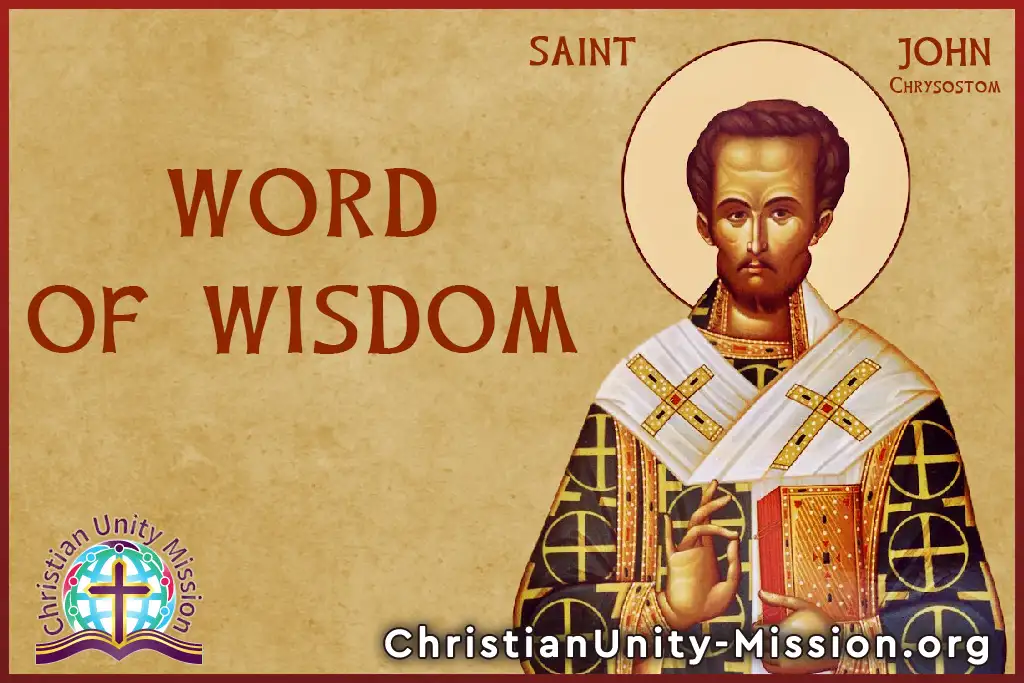
“How many are they that say: How I should have wished to see His fair form, His figure, His clothes, His shoes! Why?
You here see Him, you touch Him, you eat Him. And while you are longing to see His clothes, He gives you Himself, not only to look at, but to touch, and to eat and receive Him within you.”
Freedom is one of God’s attributes. It is the essence of God. He created man in His image and likeness, i.e., free as He is. When Eve and Adam refused to focus on the eternal life, the Father God, and they were tempted to obey the evil’s thought and snare, they automatically got separated from His life. Sin and death entered their entity, and they felt naked, empty, and enslaved. They became slaves to what they obeyed. Freedom is the opposite of slavery. The gospel tells us that if anything controls us, we will be enslaved to “Jesus answered them, “Most assuredly, I say to you, whoever commits sin is a slave of sin. And a slave does not abide in the house forever, but a son abides forever. Therefore if the Son makes you free, you shall be free indeed” (John 8:34-36).
So freedom means nothing controls our will; we can choose whatever is good for us. We are free to contemplate in the Spirit and receive the truth, which will free us,
“Then Jesus said to those Jews who believed Him, “If you abide in My word, you are My disciples indeed. And you shall know the truth, and the truth shall make you free.” (John 8: 31).
When we accept Jesus Christ and receive Him in the Holy Spirit, we can say like St. Paul in his epistle to the Romans “knowing this, that our old man was crucified with Him, that the body of sin might be done away with, that we should no longer be slaves of sin. For he who has died has been freed from sin.” (Romans6: 6-7).
We are now people who sought to live a transformed life because of our new life in Christ, “And do not be conformed to this world, but be transformed by the renewing of your mind, that you may prove what is that good and acceptable and perfect will of God.” (Romans 12:2).
In the Epistle of Romans, chapter six, St. Paul explained the freedom in Christ seen in contrast to the bondage of sin, saying, "For when you were slaves of sin, you were free in regard to righteousness. But what fruit were you getting at that time from the things of which you are now ashamed? For the end of those things is death. But now that you have been set free from sin and have become slaves of God, the fruit you get leads to sanctification and its end, eternal life. For the wages of sin is death, but the free gift of God is eternal life in Christ Jesus our Lord." In other words, sin enslaves people for spiritual death and eternity apart from God. Knowing Christ provides freedom from the control of sin and eternal life with Him. Also, freedom in Christ is the only proper form of freedom because it allows for lasting freedom beyond this life. In the Gospel of John, St. John tells us that we now know the truth that sets us free as believers. "If the Son sets you free, you will be free indeed."(John 8:36). When we find freedom in Christ, we become His children "But to all who did receive him, who believed in his name, he gave the right to become children of God" (John 1:12).
In his letter to the Galatians, St. Paul also notes we are now children and heirs of the inheritance of eternal life with Christ for eternity.
In short, Jesus gave us the power to resist the slavery of sin and overcome it. Having this control over sin and being set free means we have Christ in us, abiding in Him in the Holy Spirit. We, as believers, now seek to live a transformed life because of the new free life we have in Christ. We must put off all the old sinful and worldly ways and habits and develop new patterns that honor God, “if indeed you have heard Him and have been taught by Him, as the truth is in Jesus: that you put off, concerning your former conduct, the old man which grows corrupt according to the deceitful lusts, and be renewed in the spirit of your mind, and that you put on the new man which was created according to God, in true righteousness and holiness.”(Ephesians 4:22-32). This newness manifests itself in our spiritual condition, our relationships, and our hearts.
Did Christ die on the cross for us, to pay our debt to Father God, or to free us from the law of sin and death, and to tear up the requirements of the law on man?
The answer to this question is in the epistle to the Romans, “ For the law of the Spirit of life in Christ Jesus, has made me free from the law of sin and death. For what the law could not do, in that it was weak through the flesh, God did by sending His own Son in the likeness of sinful flesh, on account of sin: He condemned sin in the flesh, that the righteous requirement of the law might be fulfilled in us “ (Romans 8:2-3).
So this means that man was weak and defeated from sin, and therefore unable to obey the law, so God the Father has sent His Son Jesus Christ, in this same weak body, and He changed it, and renewed it, in the cross, so this defeated man himself, became victorious over sin, and thus able to obey the law, and live in righteousness.
How did Christ abolish death and defeat the devil on the cross?
Christ is the incarnate Son of God, who said about Himself, “ I am the life”, so when the devil came with his death to Christ on the cross, the confrontation between death and the Life in Jesus took place.
The result was that the life of Christ swallowed death, overcame it, and destroyed it, as light destroys darkness.
Christ Himself, before going to the cross, declared that He would confront Satan on the cross, and cast him into the abyss.
We read in the Gospel of John chapter twelve verse thirty-one, “ Now is the judgment of this world; now the ruler of this world will be cast out.” (John12:31).
Also we read in the epistle to the Hebrews chapter nine, verse twenty-six, “but now, once at the end of the ages, He has
appeared to put away sin by the sacrifice of Himself.” (Hebrews 9:26).
The second question that we must ask ourselves is, does the New Testament say that the death of Christ on the cross for us, was for turning the Father’s wrath away from us, because we are sinners?!
The answer is NO. There is no script in the New Testament that says this, but on the contrary, it says that Jesus faced death on the cross, to cast the devil, the king of death out, and to abolish the power of sin by sacrificing Himself, that is to say, giving Himself and His overcoming power over death to us.
The writer of the epistle of Hebrews, in chapter two, verses fourteen and fifteen, explains to us that through Jesus’ death, He destroyed the devil who had the power of death, and He released us from the fear of death, “Inasmuch then as the children have partaken of flesh and blood, He Himself likewise shared in the same, that through death He might destroy him who had the power of death, that is, the devil, and release those who through fear of death were all their lifetime subject to bondage.” (Hebrews2:14-15).
And also, in chapter nine, verse twenty-six, he continues to say that Jesus came to our world to redeem us and that he went to the cross to confront the devil and to put away the power of sin by the sacrifice of Himself, “He then would have had to suffer often since the foundation of the world; but now, once at the end of the ages, He has appeared to put away sin by the sacrifice of Himself.” (Hebrews9:26).
So the cross was the confrontation between the Son of God and Satan, the king of death, to exterminate him, and his death, and free man from his bondage. And then we have Jesus’ predominance over death, and His power of resurrection in us through the work of the Holy Spirit.
This power and authority is given to all those who believe in Jesus, and submit to His love.
Amen
I appeal to you, Lord, God of Abraham, God of Isaac, God of Jacob, and Israel, You the Father of our Lord Jesus Christ. Infinitely merciful as You are, it is Your will that we should learn to know You. You made heaven and earth, You rule supreme over all that is. You are the true, the only God; there is no other God above You.
Through our Lord Jesus Christ…and the gifts of the Holy Spirit, grant that all who read what I have written here may know You, because You alone are God; let them draw strength from You; keep them from all teaching that is heretical, irreligious, or godless.
Amen
Whoever believes that Jesus Christ is begotten of Him (God the Father) IS BORN OF GOD.
HOW we know that we are born from God (i.e. children of God)?
WHEN we LOVE God.
HOW we LOVE God?
BY KEEPING HIS COMMANDMENTS.
Whoever is born of God OVERCOMES THE WORLD (i.e. all the devil's works and temptations).
HOW we overcome the world?
BY OUR FAITH (in Jesus Christ).
Faith means that we accept Jesus in us and so we OVERCOME THE WORLD as HE did OVERCOME the devil on the cross.
AND THIS IS THE VICTORY.
He who overcomes the world believes that Jesus Christ is the Son of God.
God the Father Himself has borne witness that Jesus is His Son (begotten of Him) in heaven and on earth.
The 3 witnesses in heaven are:
1- The Father
2- The Word
3- The Holy Spirit
The Father:
2 Peter 1:17 - "For He received from God the Father honor and glory when such a voice came to Him from the Excellent Glory: 'This is My beloved Son, in whom I am well pleased.' And we heard this voice which came from heaven when we were with Him on the holy mountain."
John 8:18 - "I am One who bears witness of Myself, and the Father who sent Me bears witness of Me."
The Word:
John 10:25 - "Jesus answered them, 'I told you, and you do not believe. The works that I do in My Father's name, they bear witness of Me.'"
John 8:18 - "I am One who bears witness of Myself, and the Father who sent Me bears witness of Me."
The Spirit:
John 15:26 - "But when the Helper comes, whom I shall send to you from the Father, the Spirit of truth who proceeds from the Father, He will testify of Me."
The 3 witnesses on earth are:
1- The HOLY SPIRIT
2- The WATER
3- The BLOOD
The Holy Spirit:
Matthew 3:16-17 - "... the heavens were opened to Him, and He saw the Spirit of God descending like a dove and alighting upon Him. And suddenly a voice came from heaven, saying, 'This is My Son, in whom I am well pleased'."
The Water:
Matthew 3:16 - "When He had been baptized, Jesus came up immediately from the water; and behold, the heavens were opened to Him, and He saw the Spirit of God descending like a dove and alighting upon Him."
The Blood:
Matthew 26:27-28 - "Then He took the cup, and gave thanks, and gave it to them, saying, 'Drink from it, all of you. For this is My blood of the new covenant, which is shed for many for the remission of sins.'"
Mark 14:24 - "And He said to them, 'This is My blood of the new covenant, which is shed for many.'"